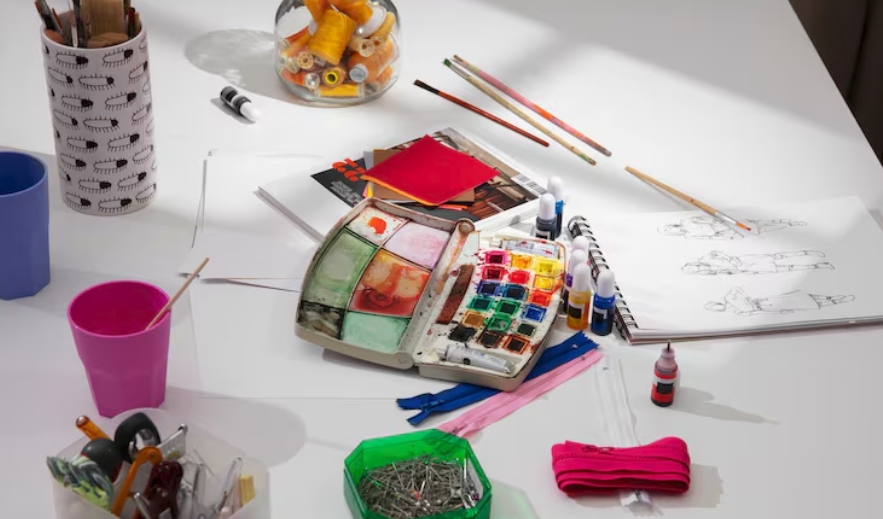
Introduction
Art has always been a powerful way to express emotions, communicate ideas, and explore the world from different perspectives. While many people associate artistic masterpieces with expensive materials, professional studios, and advanced techniques, creativity often begins with something much simpler. Everyday objects, from discarded newspapers to kitchen utensils, can become the foundation of extraordinary works of art.
Artists frequently discover inspiration in ordinary surroundings, transforming familiar materials into visually striking and meaningful creations. A broken mirror, an old bicycle wheel, or a collection of plastic bottles can become an artistic statement when viewed through a creative lens.
The beauty of everyday object art lies in its accessibility. It demonstrates that artistic expression does not depend on expensive resources but on imagination, observation, and the willingness to experiment.
Finding Artistic Inspiration in Ordinary Surroundings
Inspiration does not always come from breathtaking landscapes or famous historical monuments. Sometimes, the most fascinating creative ideas emerge from objects that people interact with every day.
A coffee cup, a wooden chair, or a stack of books may appear ordinary at first glance. However, artists often examine these objects through different perspectives, considering their shapes, textures, colors, and symbolic meanings.
For example, the circular shape of a plate might inspire an abstract painting, while the repetitive patterns of window blinds could influence a geometric sculpture.
By paying attention to small details, artists discover creative opportunities hidden within familiar environments.
This approach encourages individuals to become more observant and appreciate the artistic possibilities present in daily life.
The Transformation of Discarded Materials Into Art
One of the most exciting developments in contemporary art is the transformation of discarded materials into creative masterpieces.
Materials that would normally end up in landfills can become valuable artistic resources. Artists use discarded cardboard, broken electronics, metal scraps, plastic containers, and old clothing to create sculptures, installations, and decorative pieces.
This artistic practice is often associated with recycled art or upcycled art.
Instead of treating unwanted materials as useless, artists recognize their potential to communicate meaningful messages.
A sculpture constructed from discarded plastic bottles, for example, might highlight the environmental impact of plastic waste. Similarly, an artwork made from broken electronic devices could explore society’s dependence on technology.
These creations demonstrate how artistic innovation can support environmental awareness while encouraging more responsible consumption.
How Simple Household Objects Become Creative Tools
Artistic creativity extends beyond transforming objects into finished artworks. Common household items can also serve as tools for producing unique visual effects.
Traditional painting brushes and professional sculpting equipment are not always necessary.
Artists can experiment with materials such as:
- Sponges: Create interesting textures and layered painting effects.
- Forks and spoons: Produce unusual patterns in paint, clay, or other materials.
- Old toothbrushes: Generate splattered paint effects and delicate surface textures.
- Cardboard: Build three-dimensional models, architectural forms, and abstract sculptures.
- Fabric scraps: Add texture, color, and depth to mixed-media compositions.
- Bottle caps: Form colorful mosaics and decorative patterns.
These techniques allow artists to explore unconventional methods and develop distinctive creative styles.
They also make artistic activities more affordable and approachable for beginners.
The Influence of Everyday Objects on Modern Art
Everyday objects have played an important role in the evolution of modern art.
During the twentieth century, several influential artists challenged traditional definitions of artistic value by incorporating ordinary manufactured objects into their work.
One notable example is Marcel Duchamp, who introduced the concept of the readymade. His artworks questioned whether an everyday manufactured object could become art simply through an artist’s selection and presentation.
Similarly, Andy Warhol explored familiar consumer products through Pop Art, transforming commercial imagery into recognizable artistic expressions.
His work demonstrated how ordinary products could reflect cultural identity, consumer behavior, and modern society.
These artistic movements helped expand the boundaries of creativity, proving that inspiration could emerge from objects encountered in supermarkets, homes, and public spaces.
Today, contemporary artists continue exploring these ideas through installations, conceptual art, digital photography, and mixed-media creations.
Using Texture, Shape, and Color to Create Visual Interest
Everyday objects offer artists a wide variety of textures, shapes, and colors that can enhance visual compositions.
A rough piece of wood provides a different sensory experience from smooth glass or polished metal. Combining these materials can create contrasts that make an artwork more engaging.
Artists often experiment with the physical characteristics of objects to develop unique compositions.
For instance, a collection of colorful buttons can become a detailed mosaic, while overlapping magazine pages can create a layered collage.
Similarly, arranging ordinary objects according to size, color, or pattern can transform them into visually balanced installations.
Understanding these design elements allows artists to transform basic materials into sophisticated artistic expressions.
The Emotional Stories Behind Familiar Objects
Everyday objects frequently carry emotional significance.
An old photograph, a childhood toy, or a family heirloom may hold memories that connect people to important moments in their lives.
Artists sometimes incorporate such objects into their creations to explore themes of identity, nostalgia, relationships, and personal history.
For example, an installation featuring worn-out shoes might represent journeys, personal struggles, or the passage of time.
A sculpture created from inherited household items could symbolize family traditions and connections between generations.
These artworks demonstrate that artistic value is not determined solely by appearance or material cost.
The emotional meaning behind an object can make it an essential part of a powerful visual story.
Encouraging Creativity Through Everyday Object Art
Creating art from ordinary objects provides an excellent opportunity for individuals to develop their imagination and problem-solving abilities.
Unlike conventional art forms that may require specialized materials, everyday object art encourages experimentation with readily available resources.
Students, hobbyists, and professional artists can all benefit from this approach.
For beginners, collecting household materials and arranging them into creative compositions can serve as an enjoyable introduction to artistic expression.
For experienced artists, working with unconventional materials can encourage new techniques and unexpected discoveries.
Creative experimentation also helps individuals become more comfortable with mistakes, recognizing that unusual outcomes can lead to original artistic ideas.
The Role of Sustainability in Everyday Object Art
As environmental concerns continue to influence creative industries, sustainable art practices are becoming increasingly significant.
Using everyday objects as artistic materials can reduce waste by extending the useful life of products that might otherwise be discarded.
Recycled sculptures, textile installations, and repurposed furniture demonstrate how creativity and environmental responsibility can work together.
However, sustainability also depends on how materials are collected, processed, and combined. Artists should consider durability, safety, and whether additional supplies might reduce the environmental benefits of their work.
By making thoughtful material choices, artists can create meaningful artwork while encouraging audiences to reconsider their consumption habits.
Conclusion
Extraordinary art does not always require extraordinary materials. Sometimes, the most powerful creations begin with objects that people overlook in their daily routines.
From discarded household items to familiar personal belongings, everyday materials offer endless opportunities for artistic exploration.
Through imagination, experimentation, and careful observation, artists can transform simple objects into meaningful sculptures, paintings, installations, and mixed-media compositions.
These artistic practices encourage creativity, promote resourcefulness, and demonstrate the connection between ordinary experiences and exceptional ideas.
Ultimately, the ability to recognize beauty and creative potential in everyday objects is what transforms ordinary materials into extraordinary works of art.
Read More : How Neighborhood Development Influences Long-Term Property Value
Pingback: Why Minimalist Art Continues to Influence Modern Creative Spaces - Marathi Shayari
Pingback: How Digital Journalism Is Changing the Way People Consume News - Marathi Shayari
Pingback: Smart Decorating Ideas for Making Small Rooms Feel Spacious - Marathi Shayari