Introduction
Education has evolved significantly over the years, moving from traditional classroom instruction toward more flexible and student-centered approaches. One of the most important developments in this transformation is personalized learning. Rather than expecting every student to learn the same material at the same speed, personalized learning recognizes that individuals have different abilities, interests, learning preferences, and educational goals.
With the growing availability of digital tools, artificial intelligence, and adaptive learning platforms, educators can create learning experiences that better match individual student needs. This approach is changing how students engage with lessons, how teachers measure progress, and how educational institutions prepare learners for future opportunities.
What Is Personalized Learning?
Personalized learning is an educational approach that adapts teaching methods, learning materials, and instructional pacing to meet the unique needs of individual students. It focuses on helping learners develop knowledge and skills through experiences that reflect their strengths, challenges, and interests.
Unlike traditional education, where students often follow a fixed curriculum at a similar pace, personalized learning provides opportunities for greater flexibility.
For example, a student who understands mathematical concepts quickly may progress to more advanced exercises, while another student who needs additional support can receive targeted explanations and practice activities.
The goal is not to create an entirely separate curriculum for every student but to provide appropriate learning pathways that support individual progress.
The Role of Technology in Personalized Learning
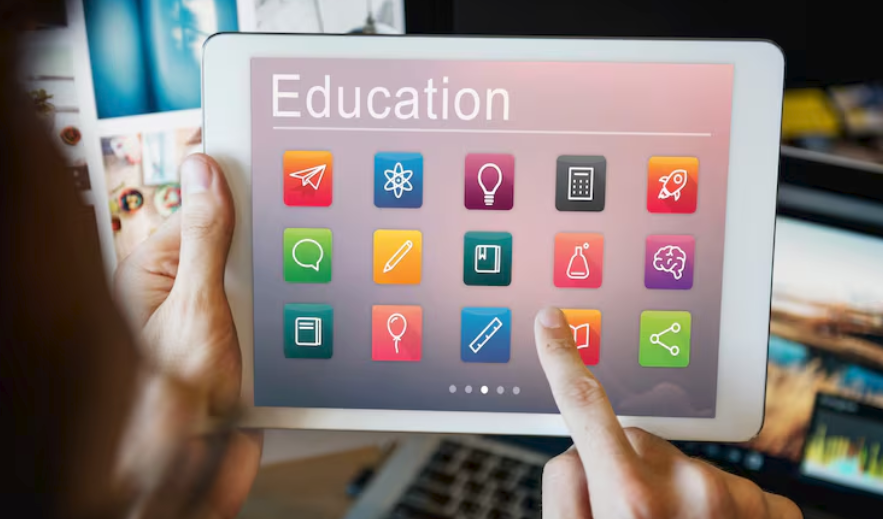
Technology has become a major contributor to the development of personalized education. Digital learning platforms allow teachers to collect information about student performance and adjust instructional strategies accordingly.
1. Adaptive Learning Platforms
Adaptive learning systems use student responses and performance data to recommend suitable lessons, exercises, and assessments.
When students struggle with a particular topic, these platforms can provide additional explanations and practice materials. When learners demonstrate strong understanding, they may receive more challenging assignments.
This flexibility helps students develop confidence while allowing them to progress at an appropriate pace.
2. Artificial Intelligence in Education
Artificial intelligence is creating new possibilities for personalized learning. AI-powered educational tools can assist with practice questions, provide feedback, explain difficult concepts, and identify areas that may require additional attention.
For example, an AI-supported language learning application may recommend vocabulary exercises based on a student’s previous mistakes.
However, AI-generated information can sometimes be inaccurate. Teachers remain essential for evaluating learning materials, providing guidance, and ensuring that technology supports educational goals.
3. Digital Learning Resources
Educational videos, interactive simulations, online quizzes, and digital textbooks give students different ways to explore academic subjects.
Some learners may benefit from visual demonstrations, while others prefer reading explanations or completing practical activities. Offering multiple formats makes learning more accessible and encourages active participation.
How Personalized Learning Benefits Students
Personalized education offers several advantages when implemented effectively. It helps create a learning environment that considers individual differences rather than relying entirely on standardized instruction.
Improved Student Engagement
Students often become more interested in education when learning activities connect with their interests and abilities.
For example, a student interested in environmental science may explore mathematical concepts through climate-related data. Connecting classroom lessons with real-world interests can make subjects more meaningful.
Greater Learning Flexibility
Not every student understands new information at the same speed. Personalized learning allows students to spend additional time on challenging concepts while moving more quickly through familiar material.
This flexibility can reduce unnecessary frustration and create opportunities for deeper understanding.
Increased Confidence and Independence
Students who receive appropriate challenges and constructive feedback may become more confident in their academic abilities.
Personalized learning also encourages students to establish goals, monitor their progress, and take greater responsibility for their education.
These habits can support independent learning throughout their lives.
Better Identification of Learning Gaps
Teachers can use regular assessments and student performance information to identify areas where additional support is necessary.
Instead of discovering learning difficulties only during major examinations, educators can address problems earlier through targeted instruction.
The Changing Role of Teachers
Personalized learning does not eliminate the importance of teachers. Instead, it changes how educators support students.
In traditional classrooms, teachers often spend substantial time delivering the same information to an entire group. Personalized approaches encourage educators to combine direct instruction with individual guidance, collaborative activities, and targeted support.
Teachers may use assessment results to organize small learning groups, recommend additional resources, or provide individual feedback.
They also help students develop communication skills, critical thinking, creativity, and emotional awareness.
Technology can support instructional decisions, but meaningful relationships between teachers and students remain central to successful education.
Personalized Learning in Online and Hybrid Education
Online and hybrid education have created additional opportunities for personalized instruction.
Students can access recorded lessons, participate in interactive discussions, complete assignments digitally, and review educational materials outside traditional classroom hours.
Hybrid learning combines face-to-face teaching with online resources, allowing educators to use different instructional formats.
For example, students might watch an introductory video at home and use classroom time for discussions, experiments, or problem-solving activities.
This approach can provide additional flexibility while preserving valuable social interaction and direct teacher support.
However, effective hybrid education requires clear expectations, reliable technology, and ongoing communication between teachers and students.
Challenges of Implementing Personalized Learning
Although personalized learning offers promising opportunities, educational institutions must address several challenges.
Unequal Access to Technology
Not every student has access to reliable internet connections, personal computers, or suitable digital learning environments.
Schools must consider these differences when introducing technology-based educational programs.
Student Data Privacy
Personalized learning platforms may collect information about academic performance, behavior, and learning progress.
Educational institutions must protect this information through appropriate privacy policies, secure systems, and responsible data management.
Teacher Training and Resources
Developing personalized instructional strategies requires planning, professional development, and adequate resources.
Teachers need training to interpret student data, select appropriate technologies, and balance individual support with classroom responsibilities.
Maintaining Human Interaction
Excessive dependence on digital learning tools may reduce opportunities for collaboration and interpersonal communication.
An effective educational model should combine personalized instruction with group activities, discussions, and meaningful human interaction.
The Future of Personalized Learning
The future of personalized education will likely involve a stronger combination of technology, data-informed instruction, and flexible learning environments.
Advancements in artificial intelligence may help educators identify learning difficulties earlier and create more relevant educational resources.
Interactive technologies may also provide opportunities for students to explore complex concepts through simulations and practical experiences.
However, successful implementation will depend on more than technological innovation.
Educational institutions must focus on accessibility, teacher development, student well-being, and the quality of instructional materials.
Personalized learning should remain a method for improving educational experiences rather than becoming a replacement for effective teaching practices.
Conclusion
Personalized learning is changing modern education by recognizing that students have different strengths, needs, interests, and learning goals. Through adaptive technologies, flexible instruction, and ongoing assessment, educators can provide learning experiences that better support individual development.
Although challenges involving technology access, privacy, and teacher preparation remain, personalized learning has the potential to make education more engaging, inclusive, and responsive.
As educational systems continue evolving, combining personalized instruction with strong teacher-student relationships will be essential. The ultimate goal is to create an environment where every learner has meaningful opportunities to develop knowledge, build confidence, and achieve long-term academic success.
Read More : Understanding Your Legal Rights in Everyday Situations
Pingback: Why Practical Learning Experiences Improve Student Confidence - Marathi Shayari
Pingback: The Importance of Critical Thinking Skills in Academic Success - Marathi Shayari