Introduction
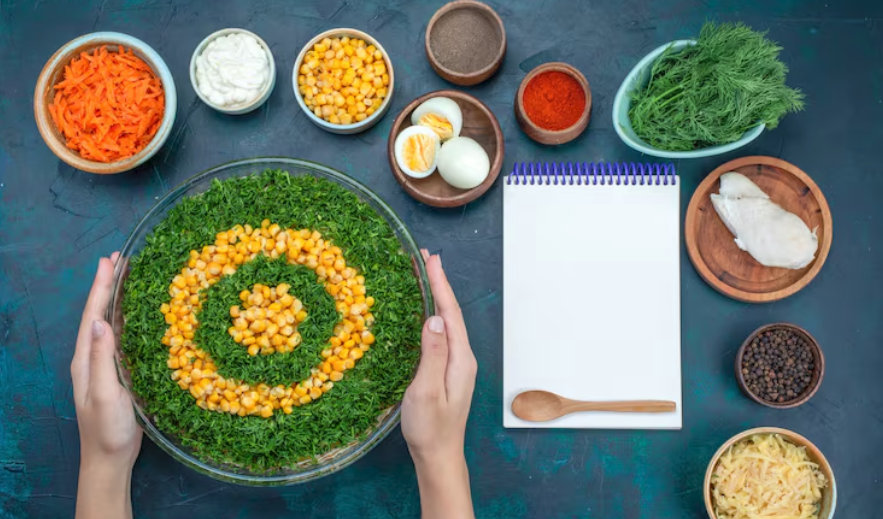
Eating healthy does not have to involve expensive ingredients, complicated recipes, or hours spent in the kitchen. Some of the most nutritious and satisfying meals can be prepared using everyday ingredients already available in your pantry or refrigerator. With a little creativity and thoughtful planning, simple foods can become delicious dishes that support a balanced lifestyle.
Preparing nutritious meals is about more than following strict diets or counting calories. It involves choosing a variety of wholesome ingredients, combining them effectively, and using cooking methods that preserve flavor and nutrients. Whether you are a busy professional, a student, or someone who enjoys home cooking, learning to prepare healthy meals with basic ingredients can make everyday eating easier and more enjoyable.
1. Start With Everyday Nutritious Ingredients
Creating healthy meals begins with selecting ingredients that provide essential nutrients without requiring a large grocery budget.
Common pantry staples such as rice, oats, lentils, beans, and whole grains offer carbohydrates, fiber, and important minerals. Fresh or frozen vegetables contribute vitamins, minerals, and antioxidants, while eggs, yogurt, tofu, and legumes provide protein.
Some useful ingredients to keep available include:
- Whole grains: Brown rice, oats, whole-wheat bread, and quinoa.
- Protein sources: Eggs, chickpeas, lentils, beans, and tofu.
- Vegetables: Carrots, spinach, tomatoes, broccoli, and cabbage.
- Fruits: Bananas, apples, oranges, and seasonal varieties.
- Healthy fats: Nuts, seeds, olive oil, and other unsaturated oils.
By combining these affordable ingredients in different ways, you can prepare numerous meals without constantly purchasing specialty products.
2. Transform Basic Vegetables Into Delicious Dishes
Vegetables are essential components of nutritious meals, but they do not need complicated preparation to taste delicious.
Roasting vegetables is one of the easiest ways to enhance their natural flavors. Simply chop carrots, cauliflower, potatoes, or other vegetables into even pieces, toss them with a small amount of oil and your preferred seasonings, and roast until tender.
Another creative option is preparing vegetable stir-fries. Combining colorful vegetables with garlic, ginger, and a modest amount of sauce creates a flavorful meal that can be served with rice or noodles.
Vegetable soups also provide an excellent opportunity to use leftover produce. Tomatoes, onions, carrots, beans, and leafy greens can be simmered together to create a comforting, nutrient-rich dish.
Experimenting with different cooking methods can make vegetables more appealing while encouraging greater variety in your diet.
3. Create Balanced One-Pot Meals
One-pot meals are convenient because they require fewer utensils, reduce cleanup time, and allow several nutritious ingredients to cook together.
A simple lentil and vegetable stew, for example, combines protein-rich lentils with vegetables, herbs, and spices. Similarly, rice cooked with beans, peas, carrots, and seasonings can become a satisfying meal.
To build a balanced one-pot dish, include a source of protein, vegetables, a carbohydrate source, and a modest amount of healthy fat.
These meals are particularly useful for busy households because they can be prepared in larger quantities and stored for future meals.
4. Make Breakfast More Nutritious and Interesting
Breakfast provides an opportunity to include nourishing foods at the beginning of the day. Instead of relying on heavily sweetened cereals or packaged snacks, consider preparing meals from simple ingredients.
Oatmeal is a versatile breakfast option that can be customized with fruits, nuts, seeds, and yogurt. Overnight oats are especially convenient because they can be prepared the previous evening.
Eggs are another flexible ingredient. Scrambled eggs with spinach, tomatoes, and whole-grain toast provide protein, vegetables, and carbohydrates in one meal.
For something different, blend bananas, plain yogurt, oats, and milk into a smoothie. Adding chia seeds or nut butter can increase its fiber, protein, and healthy fat content.
These breakfast ideas demonstrate how familiar ingredients can become satisfying meals with minimal effort.
5. Use Herbs and Spices to Enhance Flavor Naturally
Nutritious cooking does not require sacrificing taste. Herbs and spices can transform basic ingredients into flavorful dishes without relying heavily on added sugar, salt, or rich sauces.
Turmeric, cumin, paprika, black pepper, ginger, and garlic are excellent additions to everyday meals.
For example, roasted chickpeas seasoned with paprika and cumin make a crunchy snack, while rice prepared with turmeric and vegetables becomes colorful and aromatic.
Fresh herbs such as coriander, parsley, and basil can brighten soups, salads, and grain bowls.
Experimenting with seasonings also allows you to explore different culinary traditions using ingredients already available in your kitchen.
6. Prepare Creative and Healthy Snacks
Nutritious snacks can help manage hunger between meals and provide additional nutrients throughout the day.
Instead of relying entirely on packaged snacks, prepare simple alternatives using everyday foods.
Apple slices paired with peanut butter offer fiber and healthy fats. Plain yogurt topped with fruit provides protein and natural sweetness. Homemade hummus served with carrots or cucumber creates another satisfying option.
Roasted chickpeas, hard-boiled eggs, and small portions of unsalted nuts are convenient choices that require little preparation.
The goal is to select snacks that provide useful nutrients while matching your appetite and daily needs.
7. Reduce Food Waste Through Creative Cooking
Preparing nutritious meals with simple ingredients also creates opportunities to reduce food waste.
Leftover cooked rice can become vegetable fried rice, while extra roasted vegetables can be added to sandwiches, wraps, or omelets. Slightly overripe bananas work well in smoothies, oatmeal, or homemade pancakes.
Vegetable scraps suitable for cooking, such as clean carrot peels and herb stems, can be used to prepare homemade broth.
Planning meals around ingredients already available at home helps prevent unnecessary purchases and encourages creativity.
However, food safety remains important. Refrigerate perishable leftovers promptly, store them appropriately, and reheat them thoroughly before eating.
8. Plan Meals Around Simple Combinations
Meal planning does not have to involve preparing an elaborate weekly menu. A flexible approach often works better for everyday cooking.
Choose a few basic ingredients that can be used across multiple meals. For example, cooked chickpeas can become a salad topping, a curry ingredient, or a filling for wraps.
A practical balanced plate can include approximately half vegetables and fruits, one-quarter whole grains or other nutritious carbohydrates, and one-quarter protein-rich foods, adjusted for individual needs.
Preparing ingredients in advance, such as washing vegetables or cooking grains and legumes, can also reduce daily cooking time.
This approach makes healthy eating more manageable without restricting creativity or variety.
9. Experiment With Simple International Flavors
Exploring different cuisines is an enjoyable way to create variety using affordable ingredients.
A Mediterranean-inspired bowl can combine chickpeas, cucumber, tomatoes, olive oil, and whole grains. An Indian-inspired lentil curry can use onions, tomatoes, turmeric, cumin, and garlic.
A Mexican-inspired rice bowl might include black beans, corn, tomatoes, and avocado, while an Asian-inspired stir-fry can combine tofu, cabbage, carrots, and ginger.
These meals demonstrate how simple ingredients can be adapted to different flavor profiles without requiring complicated techniques.
Conclusion
Preparing nutritious meals with simple ingredients is an achievable way to support healthy eating while saving time and reducing unnecessary food expenses. By focusing on versatile pantry staples, fresh produce, balanced combinations, and creative cooking techniques, everyday meals can become both nourishing and enjoyable.
From colorful vegetable dishes and one-pot meals to wholesome breakfasts and creative snacks, countless possibilities exist within a basic kitchen.
The key is to experiment, plan thoughtfully, and prioritize variety rather than perfection. With consistent habits and a little imagination, simple ingredients can form the foundation of a delicious, balanced, and sustainable approach to everyday eating.
Read More : Why Preventive Healthcare Matters at Every Stage of Life
Pingback: The Science Behind Creating Perfect Flavor Combinations - Marathi Shayari