Introduction
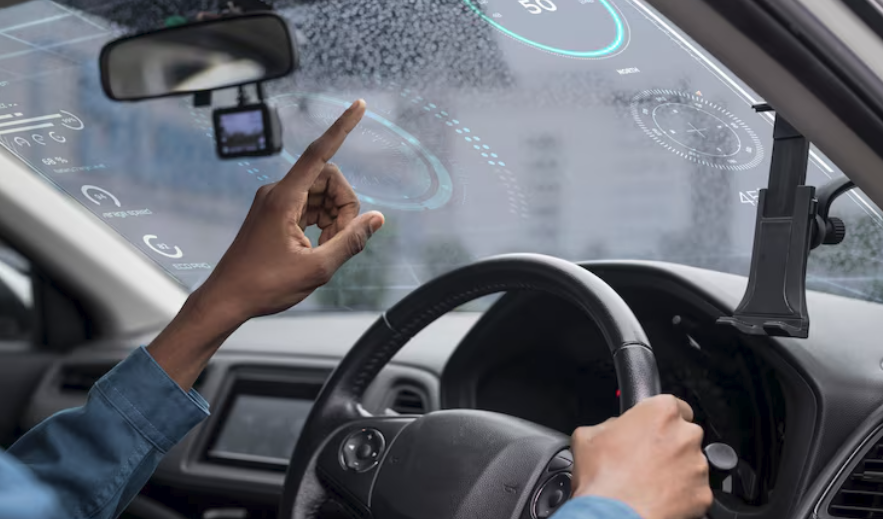
The automotive industry has experienced remarkable technological advancements over the past decade. Modern vehicles are no longer simply machines designed to transport people from one location to another. They have evolved into intelligent systems equipped with advanced sensors, artificial intelligence, connectivity features, and automated driving assistance technologies.
Smart vehicle technology is changing how people interact with their cars, making everyday driving safer, more convenient, and increasingly efficient. From intelligent navigation systems to automated parking assistance, these innovations are improving the overall driving experience.
As automotive manufacturers continue developing smarter solutions, drivers can expect vehicles to become more responsive, personalized, and connected to the surrounding environment.
1. Advanced Driver Assistance Systems Are Improving Road Safety
One of the most significant developments in smart vehicle technology is the introduction of Advanced Driver Assistance Systems (ADAS).
These systems use cameras, radar sensors, and sophisticated software to monitor surrounding traffic conditions and assist drivers in avoiding potential accidents.
Common ADAS features include:
- Adaptive Cruise Control: Automatically adjusts vehicle speed to maintain a selected distance from vehicles ahead.
- Lane Keeping Assistance: Helps drivers remain within their designated lanes.
- Automatic Emergency Braking: Detects potential collisions and applies the brakes when necessary.
- Blind Spot Monitoring: Alerts drivers when another vehicle enters an area that may be difficult to see.
- Driver Attention Monitoring: Identifies signs of distraction or fatigue and provides warnings.
These technologies can reduce certain driving risks by helping drivers respond to dangerous situations more quickly.
However, most driver assistance systems still require continuous human attention and should not be confused with fully autonomous driving.
2. Artificial Intelligence Is Creating More Intelligent Vehicles
Artificial intelligence is becoming an essential component of modern automotive technology.
AI-powered systems can analyze information from sensors, cameras, navigation tools, and driver behavior to improve vehicle performance and convenience.
For example, intelligent vehicle systems may recognize driving patterns and adjust certain settings based on individual preferences.
Some vehicles can automatically recommend efficient routes, monitor driving conditions, or provide maintenance reminders.
Voice-controlled AI assistants are also making vehicle interactions more convenient. Instead of manually adjusting controls, drivers can use voice commands to change music, manage navigation, or control compatible climate settings.
This technology reduces the need for physical interaction with dashboard controls, allowing drivers to keep more attention on the road.
As AI capabilities continue improving, vehicles may offer increasingly personalized experiences while supporting safer driving decisions.
3. Smart Navigation Systems Are Making Travel Easier
Traditional navigation systems primarily provided directions from one location to another.
Modern smart navigation technology offers much more.
Connected navigation systems can analyze real-time traffic information, identify road closures, estimate arrival times, and recommend alternative routes.
For everyday commuters, these features can help reduce unnecessary delays and improve travel planning.
Some advanced navigation systems also integrate information about nearby fuel stations, electric vehicle charging locations, parking facilities, and other useful destinations.
Electric vehicles benefit particularly from intelligent route planning because certain systems can consider battery charge levels, estimated energy consumption, and available charging stations.
By combining connectivity with intelligent route optimization, smart navigation systems are making daily transportation more predictable and convenient.
4. Connected Cars Are Changing the Driving Experience
Connected vehicle technology allows cars to communicate with smartphones, cloud services, and compatible digital platforms.
Through dedicated mobile applications, drivers may remotely access various vehicle functions.
Depending on the vehicle model, these features can include checking fuel or battery levels, locking doors, locating a parked vehicle, and activating climate control.
Connected systems can also provide important notifications about vehicle health and maintenance requirements.
Another valuable innovation is over-the-air software updates.
Rather than requiring every software improvement to be installed at a service center, some manufacturers can deliver compatible updates directly to vehicles through wireless connections.
These updates may introduce new functionality, improve existing systems, or address software-related security vulnerabilities.
However, connected vehicles also introduce cybersecurity and privacy considerations, making secure software development and responsible data management essential.
5. Automated Parking Technology Is Simplifying Urban Driving
Parking can be one of the most stressful parts of everyday driving, particularly in crowded cities where space is limited.
Smart parking assistance technology is helping address this challenge.
Modern vehicles may include parking sensors, surround-view cameras, and automated steering systems that assist drivers during difficult parking maneuvers.
Some advanced parking systems can identify suitable parking spaces and control certain steering, braking, or acceleration functions.
These features can be especially useful for parallel parking and navigating narrow parking areas.
Although parking assistance reduces some of the effort involved, drivers must still follow manufacturer instructions and monitor their surroundings.
As the technology develops, automated parking solutions may become more widely available across different vehicle categories.
6. Smart Technology Is Improving Fuel Efficiency and Energy Management
Smart automotive technology is not limited to safety and convenience. It also plays an important role in improving vehicle efficiency.
Modern vehicles use electronic control systems to monitor engine performance, driving conditions, and energy consumption.
In conventional vehicles, intelligent engine management can optimize fuel delivery and other operating parameters to improve efficiency under suitable conditions.
Hybrid vehicles use sophisticated software to coordinate electric motors and internal combustion engines.
Electric vehicles rely on battery management systems to monitor battery temperature, charging conditions, and energy usage.
Regenerative braking is another important innovation. This technology allows electric and hybrid vehicles to recover some of the energy normally lost during braking and store it for later use.
Together, these improvements can reduce energy waste, enhance vehicle performance, and support more efficient transportation.
7. Predictive Maintenance Is Helping Prevent Unexpected Breakdowns
Vehicle maintenance has traditionally depended on fixed service intervals and visible signs of mechanical problems.
Smart vehicle technology is introducing more proactive maintenance methods.
Through onboard sensors and diagnostic software, modern vehicles can monitor important components and detect unusual operating conditions.
Some advanced systems analyze data to identify potential maintenance requirements before a major failure occurs.
For example, connected vehicle systems may alert drivers about battery problems, tire pressure changes, or other conditions requiring attention.
Predictive maintenance can help vehicle owners plan service appointments, reduce unexpected disruptions, and potentially avoid more expensive repairs.
However, electronic monitoring does not eliminate the need for routine inspections and manufacturer-recommended servicing.
8. The Future of Smart Vehicle Technology
The next generation of smart vehicles is expected to include deeper integration between artificial intelligence, connectivity, automation, and advanced safety systems.
Vehicle-to-everything (V2X) communication is one promising development.
This technology is designed to allow compatible vehicles to exchange information with other vehicles, road infrastructure, and connected transportation systems.
For example, V2X systems could warn drivers about hazards beyond their direct line of sight or provide information about approaching emergency vehicles.
Automated driving technology is also progressing, although its capabilities, operating restrictions, and regulatory approvals vary significantly.
Future improvements will depend not only on technical innovation but also on affordability, cybersecurity, reliable infrastructure, and public trust.
These factors will influence how quickly advanced smart vehicle features become part of everyday transportation.
Conclusion
Smart vehicle technology is transforming everyday driving by introducing intelligent safety features, advanced navigation, connected services, automated parking, and more efficient energy management.
These developments are making modern vehicles increasingly capable of assisting drivers, simplifying routine tasks, and delivering personalized experiences.
While technology cannot eliminate every road risk or replace responsible driving, it can provide valuable tools that support safer and more convenient transportation.
As automotive innovation continues, smart vehicle technology will play an increasingly important role in shaping the future of mobility, helping create a driving experience that is more connected, efficient, and responsive to everyday needs.
Read More : The Growing Importance of Aerodynamics in Modern Car Design