Introduction
A warm and inviting home is not simply about attractive furniture or expensive decorations. It is about creating an environment where people feel comfortable, relaxed, and connected to their surroundings. One of the most effective ways to achieve this atmosphere is by incorporating natural materials into interior design.
Natural materials such as wood, stone, cotton, linen, bamboo, and rattan bring texture, character, and organic beauty into living spaces. Unlike highly polished synthetic surfaces, these materials often feature subtle imperfections and unique patterns that make a home feel more authentic and welcoming.
Whether you are decorating a new house or refreshing an existing room, understanding how to use natural materials can help you create a balanced, comfortable, and timeless interior.
1. Bring Warmth Into Your Home With Natural Wood
Wood is one of the most versatile materials in home decoration. Its natural grain patterns, earthy tones, and distinctive textures add warmth and visual depth to almost any room.
Wooden furniture, flooring, ceiling beams, and decorative accessories can transform a plain interior into a cozy living environment. Different wood types create different moods. Oak and walnut provide rich, sophisticated appearances, while pine and lighter woods contribute to a bright, relaxed atmosphere.
Consider incorporating wooden elements through:
- Solid wood dining tables and coffee tables.
- Floating wooden shelves.
- Wooden bed frames and bedside tables.
- Decorative bowls, picture frames, and wall panels.
- Natural wood flooring.
Combining wood with neutral wall colors and soft fabrics creates a harmonious interior without overwhelming the space.
2. Use Natural Fabrics for Softness and Comfort
Textiles play an essential role in making a home feel inviting. Natural fabrics such as cotton, linen, wool, and jute introduce softness and texture while helping balance harder surfaces.
Linen curtains, for example, allow natural light to filter gently into a room while maintaining an airy appearance. Cotton cushions and throws make seating areas more comfortable, while wool blankets add warmth during colder months.
Layering different fabrics also creates visual interest. A linen sofa paired with cotton cushions and a wool throw can make a living room feel comfortable and thoughtfully designed.
When choosing fabrics, consider neutral shades such as cream, beige, soft brown, and muted green. These colors complement natural materials and help establish a peaceful environment.
3. Introduce Stone for Timeless Elegance
Natural stone adds durability, character, and understated elegance to interiors. Materials such as marble, granite, limestone, and slate feature distinctive patterns that make each installation unique.
Stone can be incorporated into kitchens, bathrooms, living rooms, and entryways. A stone countertop creates a refined appearance, while a textured stone accent wall can become an attractive focal point.
For smaller spaces or limited budgets, stone accessories offer a practical alternative to major renovations. Marble trays, slate coasters, and decorative stone bowls can introduce natural textures without requiring significant changes.
Because stone often feels visually cool, combining it with wood, woven materials, and soft textiles helps maintain a balanced and welcoming atmosphere.
4. Add Character With Rattan, Bamboo, and Wicker
Woven natural materials have become popular choices for homeowners seeking relaxed and comfortable interiors.
Rattan furniture, bamboo accessories, and wicker baskets introduce organic shapes and interesting textures. These materials work particularly well in coastal, Scandinavian, rustic, and bohemian design styles.
A rattan chair in a reading corner can make the space feel welcoming, while woven pendant lights add texture and gentle visual warmth to dining areas.
Wicker baskets are also useful for organizing blankets, magazines, toys, and everyday household items.
The key is moderation. A few carefully selected woven accessories can enhance a room without making it appear overly decorated.
5. Create a Balanced Natural Color Palette
Choosing the right colors is just as important as selecting natural materials. Earth-inspired shades help create a visual connection between different textures and surfaces.
Popular natural interior colors include warm white, sand, terracotta, olive green, taupe, and soft gray.
These shades provide a flexible foundation that allows wood, stone, and natural textiles to stand out.
For example, a living room with cream walls, an oak coffee table, beige linen curtains, and olive-green cushions can feel both elegant and comfortable.
Avoid introducing too many competing colors. Instead, select two or three main shades and use variations of those colors throughout the room to maintain consistency.
6. Incorporate Indoor Plants and Natural Greenery
Indoor plants are another effective way to bring nature into your home. Their organic shapes and green foliage complement wooden furniture, natural fabrics, and stone surfaces.
Plants can soften corners, add freshness to shelves, and make empty areas feel more complete.
Popular indoor options include spider plants, pothos, snake plants, and certain palms. However, plant selection should depend on available sunlight, maintenance requirements, and household safety.
For homes with cats or dogs, verify that your chosen plants are pet-safe before bringing them indoors.
Natural planters made from terracotta, ceramic, or woven materials can further enhance the overall design.
7. Improve the Atmosphere With Natural Lighting
Natural materials look especially attractive when paired with thoughtful lighting.
Sunlight highlights the grain of wood, reveals the texture of woven fabrics, and emphasizes the unique patterns found in stone.
Whenever possible, maximize daylight by keeping windows unobstructed and choosing lightweight curtains.
During the evening, warm-toned artificial lighting can help maintain a cozy atmosphere. Table lamps, wall lights, and pendant fixtures create layers of illumination that feel softer than relying entirely on bright overhead lights.
Wooden lamp bases, ceramic fixtures, and woven lampshades can reinforce the natural design theme.
8. Mix Different Natural Textures for Visual Interest
A beautiful natural interior does not need to rely on one material. Mixing several textures helps create depth and prevents a room from looking flat.
For example, a comfortable living room might feature a wooden coffee table, a linen sofa, a jute rug, ceramic accessories, and a stone fireplace.
Each material contributes a different visual and tactile quality.
However, balance is essential. Too many strong textures can make a room appear cluttered. Maintain visual simplicity by using a consistent color palette and allowing certain materials to become focal points.
A useful approach is to choose one dominant material and complement it with two or three secondary textures.
9. Choose Durable and Responsibly Sourced Materials
Natural materials can also support more thoughtful decorating decisions, particularly when durability and sourcing are considered.
Well-made wooden furniture, quality stone surfaces, and durable textiles may remain useful for many years when properly maintained.
Reclaimed wood and secondhand furniture can add character while reducing demand for newly manufactured products.
When shopping, look for responsibly sourced wood, reliable certifications where applicable, and materials suited to your home’s conditions.
Remember that natural does not automatically mean environmentally friendly. Transportation, production methods, finishes, and product lifespan all influence environmental impact.
Investing in fewer, better-quality pieces is often more practical than frequently replacing inexpensive decorations.
10. Personalize Your Space With Natural Accessories
The finishing touches make a house feel like a home.
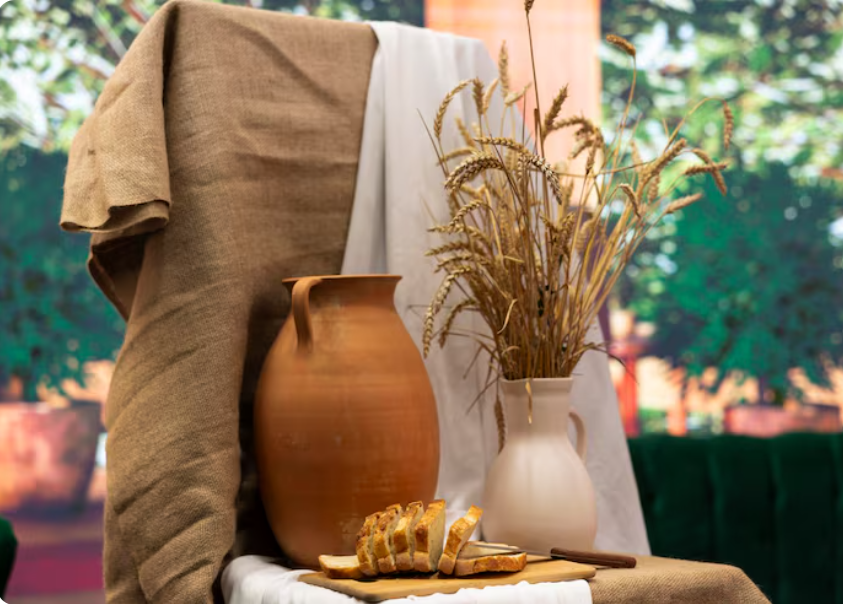
Handcrafted pottery, wooden picture frames, dried botanical arrangements, woven wall decorations, and decorative branches can create a personal connection with nature.
Consider displaying meaningful objects collected during travels or handmade items from local artisans.
These accessories add individuality while maintaining the relaxed aesthetic of natural interior design.
Rather than filling every shelf or corner, leave some open space so the room feels comfortable and uncluttered.
Conclusion
Creating a warm and inviting home with natural materials is about combining comfort, texture, simplicity, and personal expression. Wood adds warmth, stone introduces elegance, natural fabrics provide softness, and woven accessories create a relaxed atmosphere.
By pairing these materials with earthy colors, thoughtful lighting, and carefully selected greenery, homeowners can establish interiors that feel welcoming throughout the year.
The most successful approach is to start with small changes, experiment with complementary textures, and choose durable pieces that reflect your personal style.
Ultimately, natural materials help create a home that feels beautiful, comfortable, authentic, and connected to nature.
Read More: Important Factors to Consider Before Buying Your First Home