Introduction
Fashion is more than just clothing; it reflects personal identity, creativity, and lifestyle choices. However, the growing demand for inexpensive clothing and constantly changing trends has contributed to environmental challenges. From excessive textile waste to resource-intensive manufacturing processes, the fashion industry has a significant impact on the planet.
Sustainable fashion offers a practical way to enjoy stylish clothing while making more responsible purchasing decisions. By choosing quality over quantity, supporting ethical brands, and extending the lifespan of existing garments, individuals can build wardrobes that are both fashionable and environmentally conscious.
Transforming your wardrobe through sustainable fashion does not require replacing everything you own. Instead, it involves making thoughtful changes that encourage long-term value, personal expression, and responsible consumption.
Understanding the Meaning of Sustainable Fashion
Sustainable fashion focuses on reducing the environmental and social impacts associated with clothing production, consumption, and disposal. It encourages responsible material sourcing, improved manufacturing practices, fair working conditions, and longer-lasting garments.
Unlike fast fashion, which frequently introduces new collections at low prices, sustainable fashion emphasizes durability, versatility, and thoughtful purchasing.
Common principles of sustainable fashion include:
- Choosing clothing made from responsibly sourced or recycled materials.
- Supporting brands that demonstrate transparent production practices.
- Buying fewer garments while prioritizing quality.
- Repairing, reusing, and recycling clothing whenever possible.
- Avoiding unnecessary purchases influenced by temporary trends.
These habits help consumers develop a more meaningful relationship with their clothing while reducing unnecessary waste.
1. Building a Wardrobe Around Quality Instead of Quantity
One of the most effective sustainable fashion choices is investing in durable clothing rather than purchasing large quantities of inexpensive items.
Well-made garments often maintain their appearance and functionality longer than poorly constructed alternatives. Although quality clothing may require a higher initial investment, it can provide better value through repeated use.
When shopping, examine fabric strength, stitching, seams, and overall construction. Consider whether the item will remain comfortable and attractive after regular washing.
Choosing durable basics such as well-fitted jeans, comfortable shirts, versatile jackets, and classic trousers creates a reliable wardrobe foundation.
Over time, this approach reduces the need for frequent replacements and encourages more intentional spending.
2. Creating a Versatile Capsule Wardrobe
A capsule wardrobe consists of a carefully selected collection of clothing that can be mixed and matched to create different outfits.
Instead of maintaining an overcrowded closet, a capsule wardrobe focuses on versatile pieces that complement one another.
Neutral colors, timeless designs, and comfortable silhouettes make outfit coordination easier. For example, a classic white shirt can work with jeans for casual occasions or tailored trousers for professional settings.
A practical capsule wardrobe may include:
- Neutral-colored tops suitable for different occasions.
- Comfortable jeans and tailored trousers.
- A versatile jacket or blazer.
- Everyday footwear that complements multiple outfits.
- A few statement accessories for personal expression.
This approach simplifies daily dressing, reduces unnecessary purchases, and makes better use of existing clothing.
3. Choosing Environmentally Responsible Fabrics
Fabric selection plays an important role in sustainable fashion because different materials have different environmental impacts.
Conventional textile production can require substantial amounts of water, energy, and chemicals. Selecting materials with more responsible production methods can help reduce certain impacts.
Organic cotton, recycled polyester, linen, hemp, and responsibly sourced wool are among the materials commonly considered in sustainable clothing.
However, no fabric is completely impact-free. For example, recycled synthetic fabrics can reduce demand for virgin materials but may still release microplastic fibers during washing.
Consumers should consider durability, production methods, certifications, and garment care requirements rather than relying only on environmentally friendly marketing claims.
Choosing suitable fabrics can improve clothing comfort while supporting more responsible consumption.
4. Exploring Secondhand and Vintage Fashion
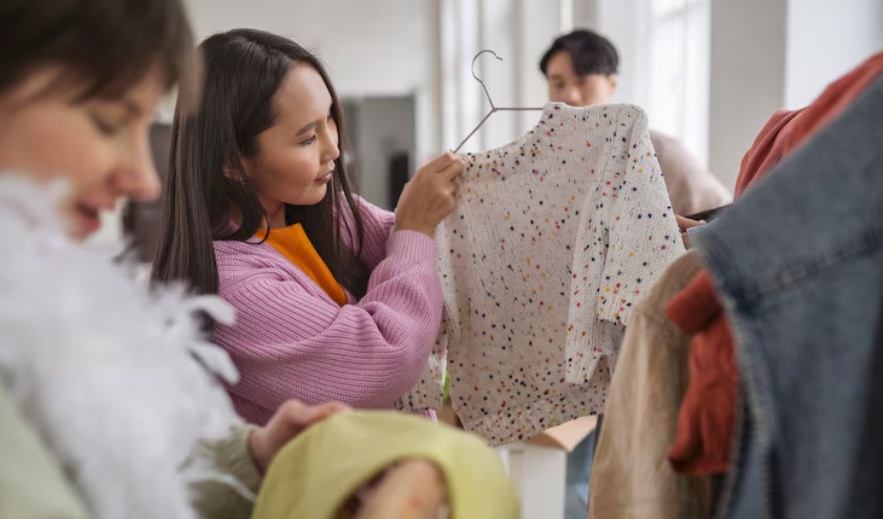
Secondhand shopping is an accessible way to make a wardrobe more sustainable.
Thrift stores, vintage shops, resale platforms, and clothing exchanges allow consumers to purchase existing garments instead of creating demand for newly manufactured products.
Pre-owned clothing can also introduce unique designs, interesting textures, and styles that are difficult to find in conventional retail stores.
Vintage jackets, classic denim, patterned shirts, and distinctive accessories can add personality to everyday outfits.
Another advantage is affordability. Quality secondhand clothing is sometimes available at considerably lower prices than comparable new items.
By giving existing garments another opportunity to be worn, shoppers can help extend their useful lives and reduce textile waste.
5. Extending the Life of Your Clothes Through Proper Care
Sustainable fashion is not limited to purchasing decisions. Maintaining existing clothing is equally important.
Proper garment care helps preserve fabric quality, color, shape, and overall appearance.
Simple habits can make a meaningful difference:
- Wash clothing only when necessary and follow care labels.
- Use appropriate water temperatures and gentle washing cycles.
- Air-dry suitable garments to reduce energy use and fabric stress.
- Store delicate clothing correctly to prevent stretching or damage.
- Repair loose buttons, small tears, and damaged seams promptly.
Learning basic sewing skills can also prevent minor damage from turning into a reason to discard clothing.
The longer garments remain useful, the less frequently replacements are needed.
6. Supporting Ethical and Transparent Fashion Brands
Consumers increasingly want to understand how their clothing is produced and whether workers are treated fairly.
Ethical fashion considers working conditions, wages, workplace safety, and responsible business practices throughout the supply chain.
Brands that publish information about factories, material sourcing, labor policies, and environmental performance provide consumers with greater opportunities to evaluate their claims.
However, sustainability labels alone do not guarantee responsible practices. Some companies use vague environmental language without providing measurable evidence.
Before purchasing, look for credible certifications, detailed sustainability reports, and transparent information about production methods.
Supporting genuinely responsible businesses can encourage improvements across the fashion industry.
7. Reducing Impulse Purchases and Following Personal Style
Fast-changing fashion trends can encourage consumers to purchase clothing they rarely wear.
Developing a clear understanding of personal style helps reduce unnecessary shopping and creates a wardrobe that feels more authentic.
Before buying something new, consider whether it complements existing garments, suits your lifestyle, and can be worn regularly.
A useful approach is to wait before purchasing nonessential items. This provides time to determine whether the desire comes from genuine need or temporary excitement.
Choosing timeless clothing does not mean avoiding creativity. Patterns, accessories, colors, and unique combinations can express individuality without constantly replacing entire outfits.
A sustainable wardrobe becomes more practical when personal preferences guide purchasing decisions.
8. Donating, Repairing, and Repurposing Unused Clothing
Even carefully planned wardrobes eventually contain garments that are no longer needed.
Instead of immediately throwing clothing away, consider whether it can serve another purpose.
Wearable garments may be sold, exchanged, or donated to organizations that can use them. Damaged clothing can sometimes be repaired or transformed into reusable accessories, cleaning cloths, or creative projects.
Clothing swaps with friends and family provide another enjoyable way to refresh a wardrobe without purchasing new items.
Textile recycling programs may accept certain unsuitable garments, although recycling options vary by material and location.
These practices encourage more responsible clothing disposal and reduce the amount of usable fabric entering landfills.
9. Saving Money Through Sustainable Fashion Habits
Sustainable fashion is sometimes associated with expensive clothing, but responsible wardrobe management can also reduce long-term spending.
Buying fewer unnecessary items, maintaining garments properly, and shopping secondhand can lower overall clothing expenses.
A useful method is calculating cost per wear. For example, a jacket costing $100 and worn 100 times has a cost per wear of $1. A $30 jacket worn only five times costs $6 per wear.
This comparison illustrates why purchasing decisions should consider usefulness and longevity rather than price alone.
A carefully maintained wardrobe can deliver greater practical value while minimizing waste.
Conclusion
Sustainable fashion choices can transform a wardrobe by encouraging thoughtful shopping, better garment care, and greater appreciation for existing clothing.
From selecting durable fabrics and exploring secondhand fashion to supporting responsible brands and creating versatile outfits, small changes can produce meaningful long-term benefits.
The goal is not to achieve a perfectly sustainable wardrobe overnight. It is to make consistent decisions that balance personal style, affordability, and environmental responsibility.
By embracing sustainable fashion, individuals can develop wardrobes that are stylish, functional, and better aligned with a more conscious approach to everyday living.
Read More : The Creative Power of Mixing Traditional and Digital Art Techniques
Pingback: The Art of Combining Classic Clothing With Modern Trends - Marathi Shayari