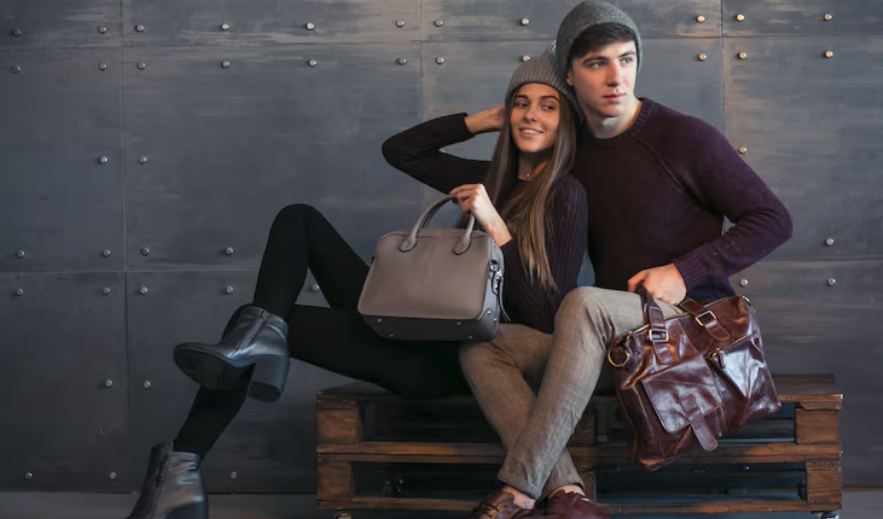
Introduction
Fashion is constantly evolving, but certain clothing styles never lose their appeal. Classic fashion pieces, such as tailored blazers, white shirts, denim jeans, and elegant dresses, have remained popular for generations. Meanwhile, modern fashion trends introduce fresh colors, innovative designs, and exciting styling possibilities. The art of combining classic clothing with modern trends allows individuals to create fashionable outfits without sacrificing timeless elegance.
Blending traditional wardrobe essentials with contemporary fashion is not simply about following trends. It involves understanding personal style, choosing versatile pieces, and creating balanced combinations that feel comfortable and sophisticated. With the right approach, anyone can develop a wardrobe that celebrates both timeless fashion and modern creativity.
Understanding the Beauty of Classic Clothing
Classic clothing refers to wardrobe pieces that remain stylish regardless of changing fashion trends. These garments typically feature simple designs, neutral colors, quality fabrics, and flattering silhouettes.
Examples of classic clothing include:
- White button-down shirts
- Tailored blazers and structured coats
- Straight-leg denim jeans
- Little black dresses
- Trench coats
- Neutral-colored sweaters
- Leather loafers and simple handbags
The greatest advantage of classic fashion is its versatility. A well-fitted blazer, for example, can be worn in professional settings, casual gatherings, or evening events.
Classic clothing also encourages thoughtful shopping habits. Instead of purchasing entirely new outfits every season, individuals can build a reliable wardrobe around durable pieces that work with changing trends.
Why Modern Trends Matter in Personal Style
Although classic fashion provides a strong foundation, modern trends add excitement and individuality to everyday outfits.
Contemporary fashion often introduces oversized silhouettes, bold accessories, creative layering, unusual textures, and fresh color combinations. These elements can transform traditional clothing into something more current and expressive.
For example, a simple white shirt paired with wide-leg trousers and modern sneakers creates an outfit that feels relaxed yet polished. Similarly, a traditional trench coat worn over a contemporary matching set brings together two different fashion approaches.
The key is selecting trends that complement personal preferences rather than adopting every popular style.
1. Start With Timeless Wardrobe Essentials
Creating a balanced wardrobe begins with choosing high-quality classic clothing.
A collection of versatile essentials makes it easier to experiment with modern fashion without creating unnecessary complexity.
Consider investing in well-fitting jeans, neutral trousers, comfortable shirts, structured outerwear, and simple footwear.
These pieces serve as the foundation for countless outfits. For instance, classic black trousers can be combined with a trendy cropped jacket, colorful sneakers, or a statement handbag.
When wardrobe basics are carefully selected, incorporating contemporary styles becomes much easier.
2. Balance Classic Silhouettes With Modern Fits
One of the most effective ways to combine classic clothing with modern trends is through contrasting silhouettes.
Traditional fashion often emphasizes tailored shapes and structured garments, while contemporary styles frequently experiment with relaxed proportions.
Pairing an oversized blazer with fitted trousers creates visual balance. Likewise, wearing a slim-fitting sweater with wide-leg jeans produces an interesting combination of classic simplicity and modern comfort.
The important principle is maintaining proportion.
If one clothing item is oversized, choosing a more fitted complementary piece can help create a harmonious appearance. However, relaxed silhouettes can also work together when their lengths and shapes are thoughtfully coordinated.
3. Experiment With Contemporary Colors
Classic fashion commonly features neutral shades such as black, white, beige, navy, and gray. These colors remain popular because they are versatile and easy to coordinate.
Modern trends, however, frequently introduce brighter shades, unexpected color combinations, and seasonal palettes.
Adding contemporary colors to traditional outfits is a simple way to refresh an existing wardrobe.
For example, a beige trench coat can be paired with a bright green sweater. A black dress can be styled with colorful heels or a vibrant handbag.
Those who prefer understated fashion can experiment with softer shades such as lavender, dusty blue, or muted pink.
The goal is to introduce color strategically while maintaining the timeless appeal of classic pieces.
4. Use Accessories to Modernize Traditional Outfits
Accessories can dramatically change the appearance of an outfit without requiring major wardrobe updates.
A classic white shirt and tailored trousers may appear formal on their own. However, adding chunky sneakers, contemporary sunglasses, or a statement belt can create a modern street-style look.
Popular accessory options include minimalist jewelry, structured handbags, fashionable watches, scarves, and modern footwear.
Accessories provide an opportunity to experiment with trends while keeping the main outfit relatively simple.
This approach is particularly useful for individuals who prefer timeless clothing but still want their appearance to feel fresh and relevant.
5. Mix Different Fabrics and Textures
Combining textures is another effective technique for bringing classic and contemporary fashion together.
Traditional wardrobe staples often feature materials such as cotton, wool, leather, and denim. Modern fashion introduces additional possibilities, including technical fabrics, sheer layers, metallic finishes, and textured knitwear.
For example, a classic wool blazer can be worn with a contemporary satin skirt. A traditional cotton shirt can be paired with faux-leather trousers for a contrasting look.
Combining different materials adds depth and personality to an outfit.
However, it is important to avoid excessive complexity. Choosing two or three complementary textures is often enough to create an interesting and polished appearance.
6. Combine Vintage Inspiration With Modern Fashion
Vintage-inspired clothing provides an excellent opportunity to explore the relationship between classic and modern fashion.
Retro denim, traditional cardigans, pleated skirts, and vintage jackets can all become part of contemporary outfits.
For example, a vintage-inspired cardigan paired with modern straight-leg jeans and clean sneakers creates a comfortable everyday look.
Similarly, a traditional midi skirt can be styled with a fitted contemporary top and modern ankle boots.
This approach celebrates fashion history while allowing individuals to express their creativity through current styling choices.
It can also encourage the reuse of existing garments and secondhand discoveries.
7. Adapt Classic Fashion for Different Occasions
The combination of classic and modern clothing works well across different settings.
For professional environments, tailored trousers can be paired with a modern blouse and elegant loafers. This creates a refined appearance without feeling outdated.
For casual outings, a classic denim jacket can be worn with contemporary cargo trousers and comfortable sneakers.
Evening outfits can combine a timeless black dress with statement earrings, modern heels, or a distinctive handbag.
The flexibility of this styling approach allows individuals to create suitable outfits for different occasions without constantly purchasing new clothing.
8. Focus on Personal Style Instead of Every Trend
Fashion trends change rapidly, but personal style develops through experience and experimentation.
Not every trend will complement every individual’s preferences, lifestyle, or body proportions.
Rather than copying complete outfits from fashion influencers, it is more effective to identify specific elements that work with an existing wardrobe.
Someone who enjoys minimalist clothing might experiment with contemporary tailoring or modern accessories. Another person who prefers bold fashion may incorporate bright colors, unusual patterns, or statement footwear.
Confidence plays an important role in successful styling.
An outfit that feels authentic and comfortable often makes a stronger impression than one selected only because it is fashionable.
9. Build a Versatile and Thoughtful Wardrobe
Combining classic clothing with modern trends also supports a more intentional approach to fashion consumption.
Instead of replacing an entire wardrobe whenever trends change, individuals can update familiar outfits with a few carefully selected pieces.
Choosing durable garments, maintaining clothing properly, and experimenting with different combinations can help extend the usefulness of wardrobe essentials.
A versatile wardrobe should include clothing that can be mixed and matched across seasons and occasions.
This approach may reduce unnecessary purchases while encouraging greater creativity in everyday dressing.
Conclusion
The art of combining classic clothing with modern trends lies in finding the right balance between timeless elegance and contemporary expression. Classic wardrobe essentials provide versatility, while modern silhouettes, colors, textures, and accessories introduce freshness and individuality.
By experimenting with proportions, mixing fabrics, and choosing trends that complement personal preferences, anyone can create stylish outfits that remain relevant beyond a single fashion season.
Ultimately, great fashion is not about following every new trend. It is about developing a personal style that combines comfort, creativity, and confidence. When classic clothing and modern fashion work together, the result is a wardrobe that feels both timeless and uniquely personal.
Read More : How Sustainable Fashion Choices Can Transform Your Wardrobe
Pingback: Why Personal Style Matters More Than Following Every Fashion Trend - Marathi Shayari